Fencing Materials 101: Pros and Cons of Popular Choices Apr 16, 2026
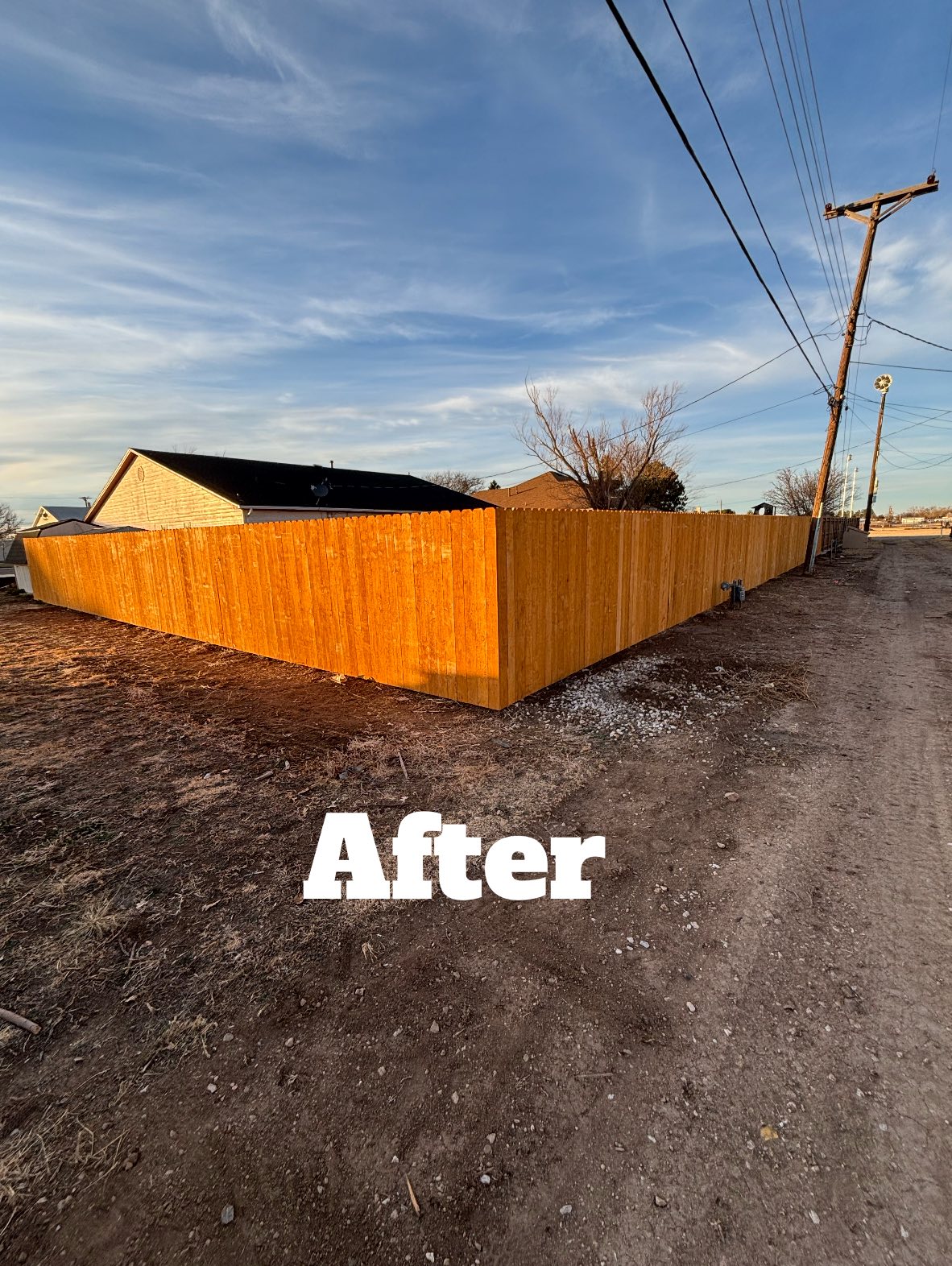
Wood fencing remains a classic choice for many homeowners due to its traditional appeal and versatility. It offers a natural look that can complement any landscape, making it ideal for those who appreciate rustic or modern styles. The benefits of wood fencing include its affordability and the ease with which it can be customized through painting or staining. However, it's important to note that wood requires regular maintenance to prevent rot, warping, or pest infestations. Without proper upkeep, wood fences may not last as long as other materials.
Vinyl fencing has gained popularity over the years, thanks to its low maintenance requirements and durability. Unlike wood, vinyl is resistant to pests and doesn’t require painting or staining, making it an attractive option for homeowners seeking a long-term investment. Despite its higher upfront cost compared to wood, the longevity and minimal maintenance it requires often offset these expenses over time. One downside, however, is that vinyl can become brittle in extreme temperatures, potentially leading to cracks.
For those prioritizing security, aluminum fencing offers both strength and elegance. Aluminum fences are known for their lightweight, rust-resistant properties, and they require minimal maintenance. While they don't provide as much privacy as solid barrier fences, they are an excellent choice for securing pools or enhancing the visual appeal of your property. The cost of aluminum fencing can be higher initially, but its durability makes it a cost-effective solution in the long run.
Chain link fencing is another popular choice for its affordability and durability. These fences are particularly common in commercial settings or for enclosing large properties without obstructing views. They are quick to install and require very little maintenance. However, chain link fences don’t offer much in terms of privacy or aesthetic appeal, which might be a drawback for homeowners seeking a more stylish solution.
Composite fencing combines the best of both worlds, offering the appearance of wood with the durability of plastic. Made from recycled materials, composite is eco-friendly and available in a range of colors and styles. It’s resistant to the typical challenges faced by wood, such as rot and pest damage. However, composite fences tend to be on the higher end price-wise, and the color can fade over time if exposed to direct sunlight continuously.
Lastly, wrought iron fencing provides a timeless, classic look coupled with excellent strength and security. These fences are highly durable and can be embellished with intricate designs, enhancing the elegance of any property. Wrought iron does require regular maintenance to prevent rust, making it less practical for those concerned about upkeep time.
In conclusion, selecting the right fencing material for your property involves a careful assessment of your needs and priorities. Whether you value aesthetics, security, or low maintenance, each fencing option has its distinct advantages and disadvantages. At Straight Edge Siding, Fencing & Decks, we’re here to assist you in finding the perfect fence that best aligns with your preferences and budget. By analyzing these options, you can ensure a decision that enhances your property’s functionality and visual appeal. Reach out to us today to explore how we can bring your fencing vision to life.
/filters:no_upscale()/filters:format(webp)/media/0d3f7b04-1aa5-4c98-90a7-652a5423d29c.jpg)